







Key Takeaways
- Self-care is essential for maintaining physical, mental, and emotional well-being, especially in a busy lifestyle.
- Regular self-care practices can significantly reduce stress and enhance productivity, allowing for better focus and efficiency.
- Incorporate mindfulness techniques such as meditation or deep breathing into your daily routine to manage stress effectively.
- Physical activity is crucial; even short bursts of exercise can boost mood and energy levels.
- Establish tech-free zones to improve mental clarity and reduce screen fatigue.
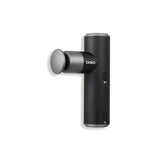
- Recovery rituals, like using a Breo N5 Mini massager, are vital for preventing burnout and maintaining long-term wellness.
- Scheduling self-care in your calendar ensures that it becomes a priority rather than an afterthought.
In our fast-paced world, the significance of self-care often takes a back seat to the demands of daily life. With a bustling schedule filled with responsibilities ranging from work to family, it can feel like there’s little time left for oneself. However, prioritising self-care is essential for maintaining physical, mental, and emotional well-being. This article delves into the importance of self-care in a busy lifestyle and offers practical tips on how to incorporate it seamlessly into your routine.
Understanding Self-Care
Self-care refers to the intentional activities that individuals undertake to maintain and enhance their well-being. It encompasses a range of practices that can be physical, psychological, or emotional in nature. While some might view self-care as a luxury, it is, in fact, a crucial component of a healthy lifestyle. When you take the time to care for yourself, you enhance your ability to care for others and manage life’s challenges effectively.
Why Self-Care is Essential
Incorporating self-care into your busy schedule isn’t merely about indulgence; it serves several important purposes:
- Reduces Stress: Regular self-care practices can significantly lower stress levels, making you feel more relaxed and balanced. This is particularly vital in maintaining a productive work-life balance.
- Enhances Productivity: Taking breaks for self-care allows your mind and body to recharge, ultimately boosting your focus and efficiency when tackling tasks.
- Improves Physical Health: Engaging in self-care activities, such as exercise or proper nutrition, leads to better overall health and longevity.
- Boosts Mental Clarity: Prioritising self-care can enhance decision-making abilities and creativity, which are often hindered by fatigue and stress.
- Promotes Emotional Well-being: Taking time for yourself helps foster a positive mindset and emotional resilience, enabling you to navigate life’s ups and downs with grace.
Incorporating Self-Care into Your Routine
Integrating self-care into a busy lifestyle may seem daunting, but with just a little commitment, it can be a straightforward process. Here are some practical tips to get started:
1. Schedule Time for Yourself
Just like any appointment, making time for self-care in your calendar ensures that it won't get overlooked. Dedicate blocks of time each week for activities that rejuvenate you, whether it's a quiet moment with a book or a session of gentle yoga.
2. Explore Mindfulness Practices
Mindfulness techniques, such as meditation or deep breathing exercises, can significantly enhance your capacity to manage stress. Spend a few minutes each day practising mindfulness to help ground yourself amidst a busy schedule.
3. Move Your Body
Physical activity is an essential aspect of self-care. Even short bursts of exercise can improve your mood and energy levels. Whether it’s taking a brisk walk, attending a fitness class, or performing gentle stretches at home, find what works best for you.
4. Indulge in Relaxation Rituals
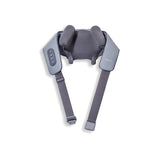
Your body and mind deserve moments of relaxation. Consider utilising tools like the Breo N5 Mini massager for neck and shoulder relaxation after a long day. This smart wellness device mimics a human touch, providing deep-tissue relief that can alleviate muscular tension effectively.
5. Foster Connection
Social connections play a crucial role in self-care. Scheduling time with loved ones or friends can provide emotional support and enhance your sense of belonging. Whether it’s a coffee date or a phone call, nurturing these relationships is vital.
6. Create a Scalp Care Routine
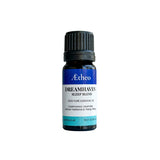
Many individuals neglect scalp health in their self-care routines. A soothing scalp massage not only enhances relaxation but can also improve circulation. Consider adding some essential oils to your routine for added benefits.
7. Designate Tech-Free Zones
In our digital age, taking breaks from screens is incredibly important for mental clarity and eye comfort. Designate tech-free zones in your home, or set aside time to disconnect from your devices entirely.
Popular Self-Care Activities
Here’s a quick look at some self-care activities that you can easily integrate into your busy lifestyle:
| Activity | Benefits | Duration |
|---|---|---|
| Yoga | Improves flexibility, reduces stress | 15-30 minutes |
| Meditation | Enhances focus, reduces anxiety | 5-15 minutes |
| Walking | Boosts mood, enhances physical health | 30 minutes |
| Reading | Promotes relaxation, encourages creativity | 20-60 minutes |
| Scalp Massage | Relieves tension, promotes relaxation | 10-15 minutes |
| Warm Bath | Soothes muscles, calms the mind | 30 minutes |
The Role of Recovery Rituals
Recovery rituals are vital components of self-care, especially for those leading busy lifestyles. Incorporating daily practices that focus on recovery can help prevent burnout and maintain long-term wellness. Whether it’s through utilising a Breo N5 Mini massager to soothe the neck or engaging in a home head spa experience, these rituals can make all the difference in how we navigate our daily lives.

Establishing a Nightly Routine
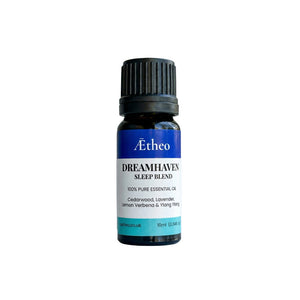
Creating a calming nightly routine not only prepares your body for rest but also enhances the overall quality of your sleep. Consider incorporating the following elements:
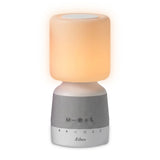
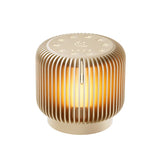
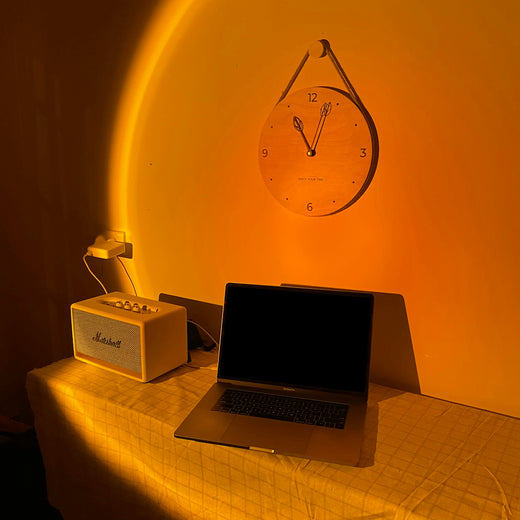
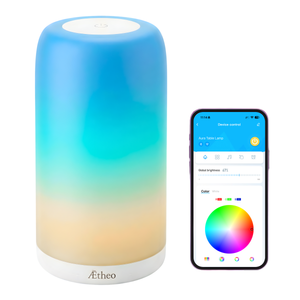
- Dimmed Lights: Lower the lighting in your home to signal to your body that it’s time to wind down.
- Relaxation Techniques: Incorporate gentle stretching or yoga before bed to release tension from the day.
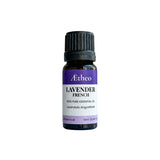
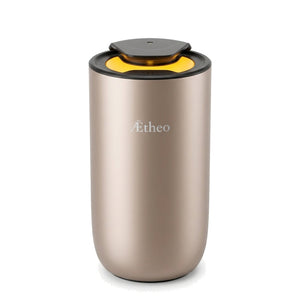
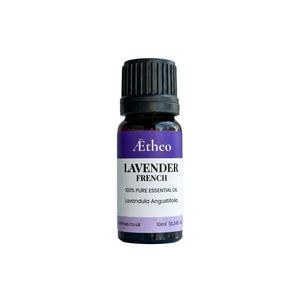
- Aromatherapy: Introduce calming scents like lavender through essential oils to enhance relaxation.
- Screen-Free Time: Designate at least 30 minutes before bed to engage in screen-free activities like reading or journaling.
Common Misconceptions About Self-Care
Many people have misconceptions about self-care that may hinder their commitment to it. Let’s debunk some of these myths:
Self-Care is Selfish
This is perhaps the most prevalent misconception. In reality, self-care allows you to give more to others by ensuring you’re at your best physically and mentally. When you dedicate time to recharge, you become better equipped to tackle your responsibilities and support loved ones.
Self-Care Takes Too Much Time
While some self-care activities can be time-consuming, many require just a few minutes or even seconds. Simple practices like deep breathing, taking a short walk, or enjoying a warm cup of tea can have impactful benefits.
It’s Only About Pampering
Self-care encompasses much more than indulgences. It’s about nurturing your health, happiness, and emotional stability through intentional actions.
Self-Care for the Modern Lifestyle
In the modern world, self-care is more important than ever, particularly as we grapple with the pressures of busy schedules and constant connectivity. By consciously prioritising self-care, you can cultivate a life that honours your well-being and promotes resilience against life’s challenges.
FAQs About Self-Care
What are some easy self-care activities to start with?
Start with mindfulness practices, short exercise routines, reading, or quiet time in nature. The goal is to find activities that resonate with you and fit easily into your life.
Is self-care really that important?
Absolutely. Self-care is crucial for physical health, mental clarity, and emotional stability. Neglecting self-care can lead to stress and burnout.
How can I remember to practice self-care?
Scheduling self-care just like any other important task can make a big difference. Use reminders on your phone or calendar to ensure you dedicate time to yourself consistently.
Embrace Your Self-Care Journey
Ultimately, embracing self-care is not just about managing stress; it’s about improving your quality of life. Prioritising your well-being allows you to engage more fully with the world around you. Whether through relaxation, recovery rituals like using a Breo N5 Mini massager, or investing in your physical health, there are countless ways to nurture yourself amidst a busy lifestyle. By making self-care a non-negotiable part of your daily routine, you will cultivate a life rich with balance and fulfilment.
Linked Product

Breo N5 Mini Neck and Shoulder Massager — Wearable with Heat
The Breo N5 Mini Neck and Shoulder Massager offers an ergonomic design that closely mimics the techniques of professional massage therapists, providing targeted relief to the neck, shoulders, and upper back. With its patented 5D massage heads and heat compression feature, it enhances relaxation and circulation for a more effective massage experience. The hands-free, wearable design allows for convenient use while engaging in daily activities, making it an ideal addition to any self-care routine.
View ProductWho It's For (And Not For)
Who It's For
- Busy Individuals: If you have a hectic schedule filled with work and family commitments, prioritising self-care can help you manage stress and enhance your overall well-being.
- Those Seeking Balance: If you feel overwhelmed and are looking for ways to restore balance in your life, self-care practices can provide the necessary tools to improve your mental clarity and emotional resilience.
- Health-Conscious Individuals: If you are interested in improving your physical health and longevity, incorporating self-care activities such as exercise and proper nutrition is essential.
- People Open to Change: If you are willing to dedicate time to explore mindfulness practices and relaxation rituals, you will likely find significant benefits in your daily routine.
Who It's Not For
- Those Unwilling to Commit: If you are not ready to set aside time for self-care or believe it is not a priority, you may struggle to see the benefits it can offer.
- Individuals Resistant to Change: If you prefer to maintain your current habits and are not open to trying new practices, self-care may feel unnecessary or burdensome.
- People Underestimating Its Importance: If you believe that self-care is merely a luxury or indulgence, you may miss out on its crucial role in maintaining your health and well-being.
- Those with Limited Time: If your schedule is already packed and you feel there is no room for additional activities, you might find it challenging to incorporate self-care into your life.


