


Key Takeaways
- Establish a dedicated relaxation space in your home to create a tranquil environment that promotes self-care.
- Incorporate mindfulness and meditation into your daily routine to enhance mental clarity and reduce stress levels.
- Utilise gentle movement practices such as yoga or stretching to relieve muscle tension and improve flexibility.
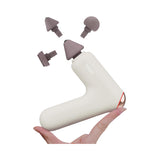
- Integrate massage techniques for neck and shoulder relief, using devices designed to mimic professional massage therapy.
- Implement the 20-20-20 rule to combat eye strain from increased screen time by taking regular breaks.
- Combine relaxation practices with comfort-enhancing elements like soothing lighting and calming scents to create a serene atmosphere.
- Consistency is key in your wellness routine, allowing you to gradually adapt and discover what works best for your wellbeing.
In the fast-paced world we live in, where the demands of daily life often seem relentless, the importance of a relaxing home wellness routine cannot be overstated. Establishing a tranquil environment and a consistent self-care practice is essential for both mental and physical wellbeing. In this article, we will explore practical steps to create a personalised wellness routine that promotes relaxation, recovery, and rejuvenation at home.
The Benefits of a Home Wellness Routine
A dedicated wellness routine at home serves multiple purposes: it aids in stress relief, enhances mental clarity, and fosters physical recovery. Here are some key benefits:
- Stress Reduction: Engaging in regular wellness activities can significantly lower stress levels and promote a sense of calm.
- Improved Sleep Quality: Implementing relaxation techniques can lead to better sleep, contributing to overall health.
- Enhanced Focus: Taking time to unwind can improve concentration and productivity during the day.
- Physical Recovery: Targeted muscle care routines help in quicker recovery after physical activity.
Planning Your Relaxation Zone
Creating a peaceful space dedicated to relaxation is an important first step. Here are some key elements to consider:
1. Choose the Right Location
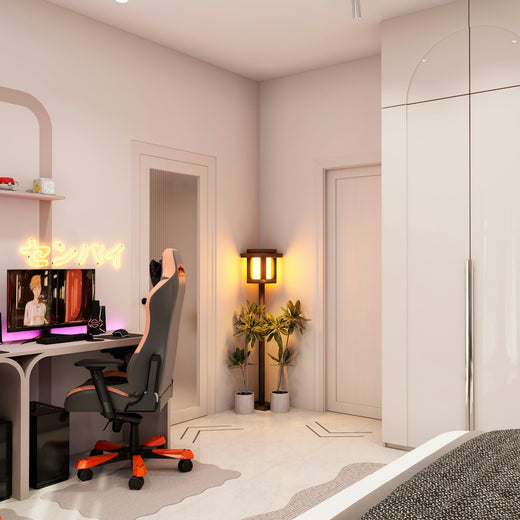
Identify a quiet corner of your home where you won’t be disturbed. This could be a spare room, a corner of your living room, or even a comfortable balcony. The goal is to create a sanctuary that promotes tranquillity.
2. Invest in Comfort
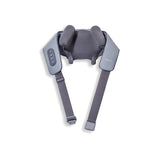
Comfort is paramount in your relaxation space. Use soft cushions, a supportive chair, or a soothing mat to sit or lie on. This is where investing in ergonomic tools like a wearable neck and shoulder massager can provide added comfort during your relaxation sessions.
3. Create Ambiance
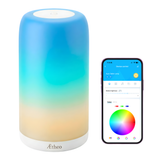
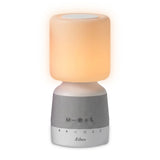
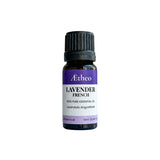
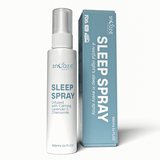
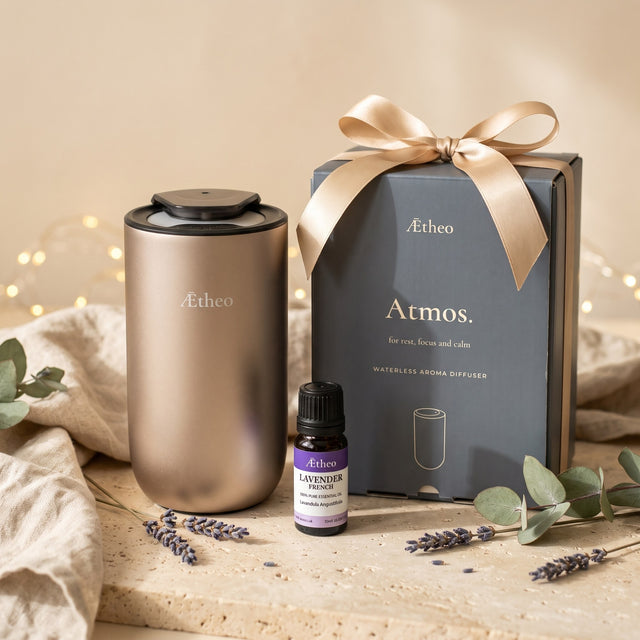
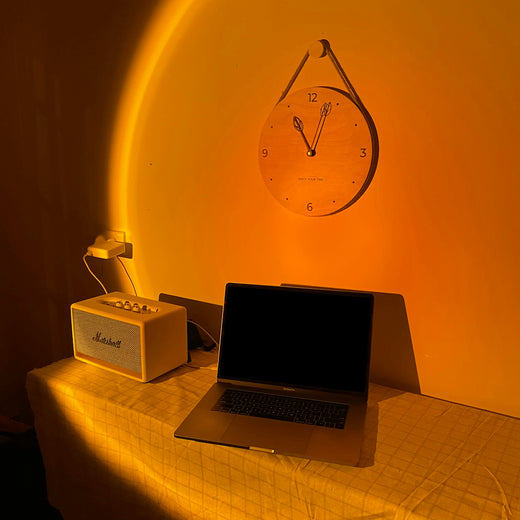
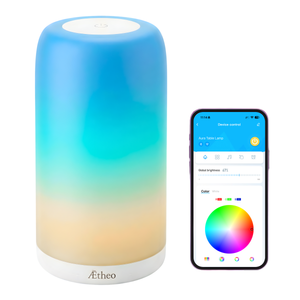
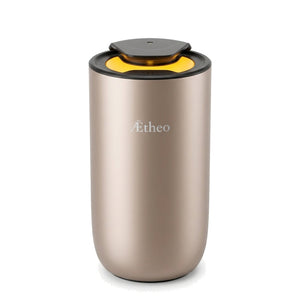
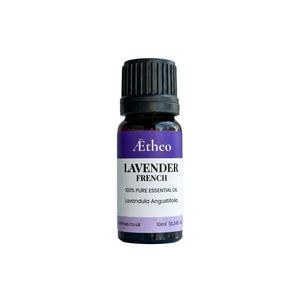
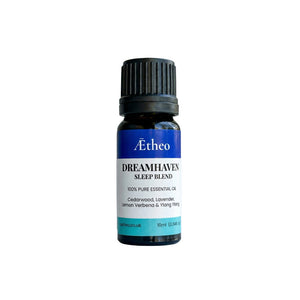
Lighting, sounds, and scents all contribute to the atmosphere. Consider incorporating soft lighting, such as fairy lights or a Himalayan salt lamp, playing calming music, and using essential oils or scented candles to create a serene environment.
Integrating Relaxation Practices
Once your space is established, it’s time to introduce various practices to enhance relaxation and overall wellbeing. Here are several effective techniques:
Mindfulness and Meditation
Start or end your day with mindfulness practices. Even just 5-10 minutes of meditation can significantly affect your mental state. Focus on your breathing, and allow thoughts to come and go without judgment.
Gentle Movement
Incorporating gentle stretching or yoga into your routine can relieve muscle tension, improve flexibility, and promote blood circulation. These practices are especially beneficial after a long day of sitting or standing.
Use of a Scalp Massager
Integrating a scalp massager into your routine can provide immediate stress relief and enhance relaxation. Massaging the scalp stimulates blood flow, potentially enriching the health of your hair while also providing a soothing experience.
Rejuvenating Your Neck and Shoulders
The neck and shoulders often carry the weight of daily stress and tension. Here’s how to address this common issue:

Incorporating Massage Techniques
Consider setting aside dedicated time for neck and shoulder massages. This is where a device designed with 5D massage heads can mimic the experience of a human therapist, providing a deep, invigorating relief from muscle tightness. Switching between different massage modes allows for a tailored experience that suits your needs.
Heat Therapy
Complement your massage with gentle heat. Heat therapy helps to relax tight muscles and increase blood flow, further enhancing the benefits of your massage routine. Whether it’s a warm towel placed on the neck or a heated massager, warmth can be incredibly soothing.
An Eye Comfort Routine
In our digital age, eye comfort is often overlooked. With screen time increasing, eye strain has become a common concern. Here are some strategies to help soothe tired eyes:
Scheduled Breaks
Implement the 20-20-20 rule: every 20 minutes, look at something 20 feet away for at least 20 seconds. This simple practice can significantly reduce eye strain.
Eye Relaxation Techniques
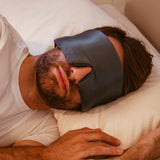
Consider incorporating specific eye exercises or using a warm compress for 10 minutes to relax the eye muscles. Relaxation techniques such as palming (rubbing your hands together and then placing them gently over your eyes) can also provide comfort.
Daily Routine Sample
For a clearer picture of how to structure your wellness routine, consider the following sample daily schedule:
| Time | Activity |
|---|---|
| 7:00 AM | Meditation and mindfulness (10 minutes) |
| 7:15 AM | Gentle yoga/stretching (15 minutes) |
| 8:00 AM | Refreshing shower or bath with aromatherapy |
| 1:00 PM | Scalp massage during lunch break (5-10 minutes) |
| 6:00 PM | Neck and shoulder massage with heat (20 minutes) |
| 8:00 PM | Relaxing read or gentle music accompanied by eye relaxation |
Frequently Asked Questions
What is the best time to start a wellness routine?
The best time to start is whenever it fits your schedule. Many people find it beneficial to practice in the morning to set a positive tone for the day, while others prefer winding down in the evening.
How long should I dedicate to relaxation practices?
It varies by individual; however, starting with 20-30 minutes daily can yield positive results. You can gradually increase this duration as you become more comfortable with your routine.
Are there specific practices that yield quicker results?
Practices such as meditation and massage are known for their immediate benefits; however, consistent practice over time will greatly enhance overall effectiveness.
Embrace Your Wellness Journey
Creating a relaxing home wellness routine is not only a gift to yourself but an investment in your long-term health. By incorporating mindful practices, effective relaxation techniques, and nurturing your body with restorative treatments, you can create a space that fosters serenity and balance in your life.
As you embark on this journey, remember that consistency is key. Adjust your routine based on how your body and mind respond, and don't hesitate to explore new practices that resonate with you. With time, you will cultivate a personal sanctuary that truly embodies relaxation, contributing to a happier and healthier you.
Linked Product

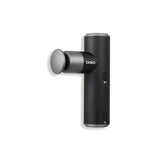
Breo N5 Mini Neck and Shoulder Massager — Wearable with Heat
The Breo N5 Mini Neck and Shoulder Massager offers an ergonomic design that mimics the techniques of professional massage therapists, providing targeted relief for neck, shoulders, and upper back. With its patented 5D massage heads and heat compress feature, users can enjoy customizable deep-tissue massages that promote relaxation and improve circulation. This lightweight, wearable massager allows for hands-free use, making it ideal for use while working, reading, or traveling.
View ProductWho It's For (And Not For)
Who It's For
- Individuals Seeking Stress Relief: If you often feel overwhelmed by daily pressures, establishing a home wellness routine can significantly lower your stress levels and promote a sense of calm.
- Those Looking to Improve Sleep Quality: If you struggle with sleep, incorporating relaxation techniques into your routine can lead to better rest and overall health.
- People Who Want Enhanced Focus: If you find it difficult to concentrate, taking time to unwind can improve your productivity during the day.
- Fitness Enthusiasts: If you engage in regular physical activity, a targeted muscle care routine can aid in quicker recovery and enhance your performance.
Who It's Not For
- Individuals with No Interest in Self-Care: If you do not value or prioritise self-care practices, a home wellness routine may not resonate with you.
- Those Who Prefer Active Lifestyles: If you thrive on high-energy activities and find relaxation challenging, you may not benefit from a structured wellness routine.
- People with Limited Time: If your schedule is already packed and you cannot dedicate time to relaxation practices, this routine may feel overwhelming or impractical.
- Individuals Uninterested in Mindfulness: If you do not see the value in mindfulness or meditation, you may not find a wellness routine appealing.


