


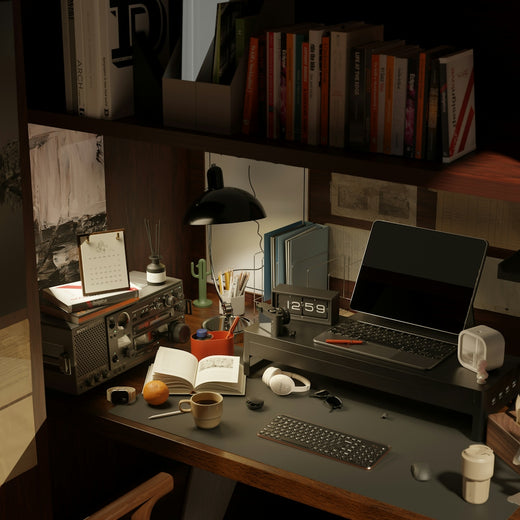


November does not ease you in. The clocks have already gone back, the mornings are properly dark by the time most people's alarms go off, and the diary is filling with everything December is about to demand of it. Self-Care Week falls in the middle of the month, which is well timed, because this is usually the point where self-care is the first thing to go. This edit is five small, real shifts we noticed in how people are actually getting through it, from the light that gets you up in the dark to the hour before bed that is worth protecting before the rest of the year takes it. Where a product fits, it sits inside as a natural answer, never the point of the sentence.
In this edit
- The Mornings That Refuse to Start
- Giving the Evening a Different Kind of Light
- A Room That Smells Like Wind-down, Not Work
- The Tension That Doesn't Clock Off
- Protecting the Hour Before Sleep
Vox's explainer on screens and sleep makes a point worth carrying into November: it is rarely one dramatic habit undoing a night's sleep, it is the accumulation of ordinary light decisions, made without really noticing, through the day and into the evening. That is the thread running through most of what follows.
1. The Mornings That Refuse to Start
By November, the alarm goes off into genuine darkness, and the body is left trying to wake up on a schedule that no longer matches the sky outside. According to NIOSH, the body's circadian pacemaker is especially sensitive to light around the usual wake-up time, and bright light there causes a phase advance, nudging the whole system to feel sleepy earlier at night and alert earlier in the morning. Darkness at that exact moment does the opposite: it gives the body no cue to leave sleep mode, which is a large part of why a pitch-black November morning feels so much harder to get out of than an identical alarm time in June.
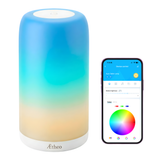
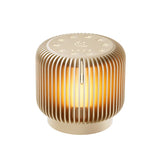
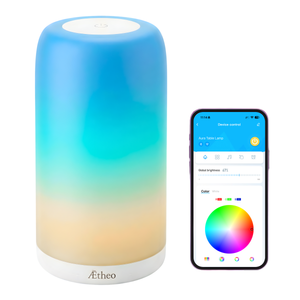
The unattached version of this costs nothing: opening the curtains the moment the alarm goes, even to a dark garden, still gets whatever outdoor light exists onto the eyes sooner than lying with them shut. For the mornings when there genuinely is no daylight yet, the Aetheo Aura Smart Table Lamp can be set to a sunrise routine in its app, moving from a dim warm glow to bright white, so the room is already brightening by the time the day is supposed to start rather than switching straight from black to glaring.
2. Giving the Evening a Different Kind of Light
The same light sensitivity works in reverse a few hours later, and November is when most households quietly get it wrong without realising. Sleep Foundation research notes that decreasing light exposure in the evening, blue light especially, is one of the more reliable ways to help the body prepare for sleep, because bright, white light keeps signalling that it is still day long after the day is actually over. A home that runs the same overhead lighting from breakfast until bed gives the body no honest version of dusk to work with, which matters more in a month when the real dusk arrives before most people have even left their desks.
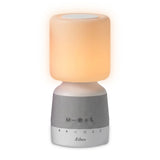
The free fix is simply switching off the main light after dinner and letting one warm lamp do the work instead, which most rooms already have the means to do. Where it helps to have something slightly more deliberate is on the evenings a room still needs enough light to function in, read, work from, host a video call, and the same Aura lamp moves between a working white and a warm, dimmed tone from the same lamp, so the light can genuinely change as the evening does rather than staying fixed at whatever it was set to that morning.
3. A Room That Smells Like Wind-down, Not Work
Heating comes on properly in November, and with it the kind of stale, over-warmed air that makes a room feel exactly the same at nine at night as it did at nine that morning, desk air rather than evening air. Research indexed on PMC on aromatherapy and sleep notes that compounds in lavender essential oil act on the olfactory nerves and the hypothalamus, reducing sympathetic nervous system activity while increasing parasympathetic activity, which is the body's own relaxation response rather than anything a device does to it. Scent, in other words, has a genuinely direct route to the part of the brain that decides whether a room feels like work or like rest.
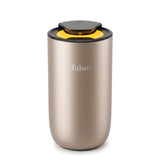
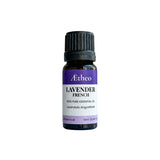
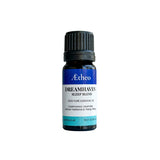
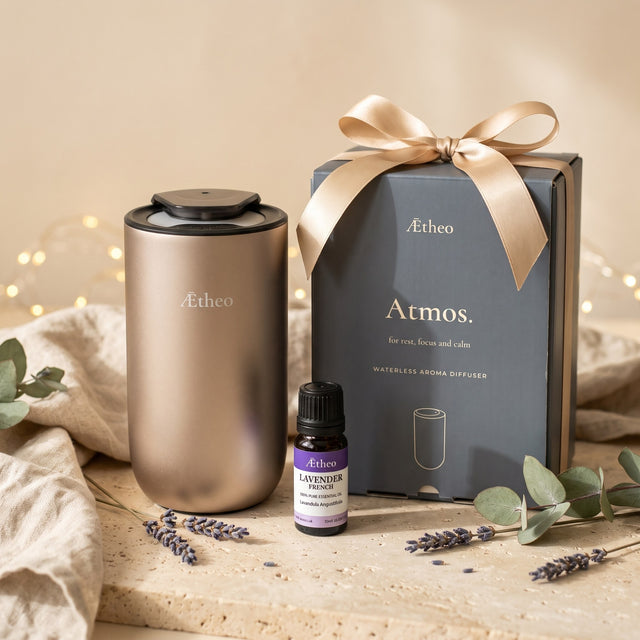
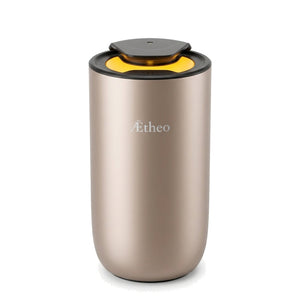
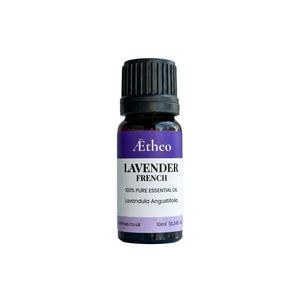
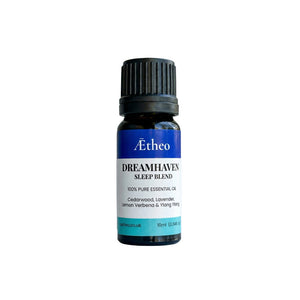
None of this needs equipment. Ten minutes with a window cracked resets a room as honestly as anything else, whatever the month. Where a diffuser earns its place is in giving a specific, repeatable scent cue the moment work ends, and the Aetheo Atmos Waterless Essential Oil Diffuser is worth separating from the misting diffusers most people picture, because it scents the air without putting any moisture into it, so it is doing nothing to the dry-air problem heating already causes, only to the smell of the room. Paired with the Aetheo Dreamhaven Sleep Essential Oil Blend, cedarwood and ylang ylang alongside the lavender, it is a cue that can run for a few minutes at the same point every evening without becoming one more thing to manage.
4. The Tension That Doesn't Clock Off
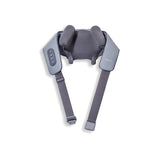
Outdoor activity drops away in November for most people, and the tension that used to get walked off on a lunchtime loop or a lingering commute has nowhere obvious left to go, so it tends to sit in the neck and shoulders instead and wait there until the weekend. NHS guidance on easing back and muscle pain is blunt about the single most useful thing to do: stay active and keep moving through your normal daily activities rather than resting completely, because inactivity tends to make stiffness worse, not better.
The unattached version is a short stretch every hour or so, standing up, rolling the shoulders back, turning the head slowly side to side, which costs nothing and does more than most people give it credit for.
5. Protecting the Hour Before Sleep
Self-Care Week lands in the middle of November, and the advice that comes with it is usually the same, unglamorous thing: protect a small amount of time for yourself before the next demand arrives. NHS stress-management guidance puts "me time" on the same list as exercise and connecting with people, not as an indulgence but as one of the actual ways stress gets managed, and the hour before bed is the most realistic place most people have to put it, because nothing else is competing for it by then. The sleep specialists at Myza make a similar case for treating the sensory side of a bedroom, what it smells and feels like, not only what time the lights go off, and we would agree that the two are harder to separate than most routines assume.
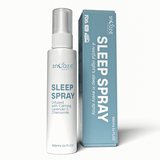
A pillow spray is the smallest, most portable version of that hour. A light mist of Deep Sleep Pillow Spray a few minutes before getting in, long enough for the alcohol to have flashed off and only the lavender and chamomile to remain, is the entire ritual, and it survives a busy week precisely because there is nothing else to remember or charge. Through a month that keeps taking that hour away in small amounts, having one thing that reliably gives a little of it back is worth more than it sounds.
In this edit
- Aetheo Aura Smart Table Lamp — 16M+ Colours, Alexa & App Control
- Aetheo Atmos Waterless Essential Oil Diffuser, Cordless and Rechargeable
- Aetheo Dreamhaven Sleep Essential Oil Blend — Cedarwood, Lavender, Lemon Verbena, Ylang Ylang, 10ml
- Deep Sleep Pillow Spray, Lavender and Chamomile
FAQ
What are the biggest wellness and sleep trends in November 2026?
Five shifts stand out this November: morning light to counter genuinely dark starts, evening light that actually changes as the day winds down, a scent ritual that cues a room has stopped being a workspace, portable relief for tension that has nowhere to walk itself off, and protecting a small, reliable hour before sleep through the busiest run-up of the year.
Does morning light actually help with dark winter mornings?
The body's internal clock is especially sensitive to light around the usual wake-up time. Bright light there nudges the whole system to feel sleepy earlier at night and alert earlier the next morning, which is why getting light, even artificial light, as soon as the alarm goes can make a dark morning feel more manageable.
Does the Aetheo Atmos diffuser add moisture to the air like a humidifier?
No. The Atmos is a waterless diffuser, so it scents a room without releasing any moisture into the air. It solves for smell, not for the dry air heating causes, which is a genuinely different job to a misting diffuser or humidifier.
What is the single most useful thing for easing desk-related tension?
NHS guidance on back and muscle pain is clear that staying active and continuing with normal daily movement helps more than resting completely, since inactivity tends to make stiffness worse. Short, frequent stretches through the day do more than one long session at the end of it.
Where can I see the products in this November edit?
Every featured product links from the "In this edit" list at the end of the article on Aetheo.
In this November edit
 Aetheo Aura Smart Table Lamp — 16M+ Colours, Alexa & App Control
 Aetheo Atmos Waterless Essential Oil Diffuser, Cordless and Rechargeable
 Aetheo Dreamhaven Sleep Essential Oil Blend — Cedarwood, Lavender, Lemon Verbena, Ylang Ylang, 10ml
 Deep Sleep Pillow Spray, Lavender and Chamomile
Scroll to browse the edit.


