







In short
- A water-tank diffuser needs refilling, rinsing and eventually descaling, and a dry-mist diffuser skips all three.
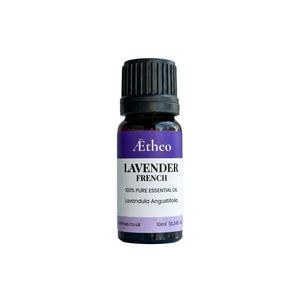
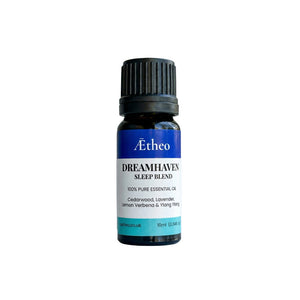
- Atmos screws straight onto a standard 5, 10 or 15 ml essential oil bottle, so there is nothing to decant and no scents mixing in a shared tank.
- It runs cordless for up to around 40 hours on its lightest setting and recharges over USB-C in about 3.5 hours.
- A spill-resistant design means the oil stays in the bottle even if the diffuser tips over, which matters on a cluttered bedside table or a car seat.
- Home mode runs on a three-hour timer, and Car mode starts and stops with movement, so one diffuser covers more of the day than you would expect.
Every water-tank diffuser I have owned has gone through the same three stages. In week one, I top it up most evenings and the room smells the way I wanted. By week three, I am scrubbing a ring of white scale out of the tank with an old toothbrush, because tap water and an ultrasonic plate do not get on. By week six, it sits unplugged on a shelf, because filling a tank before bed has quietly stopped being worth the effort. If you have searched for a diffuser for a bedroom in the UK and landed here still holding a half-used bottle of lavender oil, you already know this pattern. The fix was never a bigger tank, or a better one. It was a diffuser that never asked for water in the first place.
Why does a water-tank diffuser stop getting used?
It is rarely one dramatic failure. It is a slow accumulation of small frictions. You refill the tank, which means carrying it to a tap and back, trying not to splash the windowsill or the bedside lamp. You notice, a few weeks in, that the mist smells fainter than it used to, because the oil is diluted through the water rather than diffused on its own. You buy a bottle of "ready mixed" diffuser oil because the dropper-and-measuring-cup routine felt like too much on a Tuesday night, and it still needs decanting. And at some point, usually when you are half asleep reaching across to switch it off, the whole thing tips, and water and oil go everywhere.
None of this is really about the scent. It is about how many steps stand between you and the bit you actually wanted, which was a calmer room for twenty minutes before bed.
Why do the usual fixes fall short?
The instinct is to solve a water problem with a better water solution: a diffuser with a bigger tank so you refill it less often, or one with an app that reminds you to descale it. Both still ask for water, and both still dilute the oil before it reaches the air, which is why the room smells strong for an hour and then nothing. A reed diffuser or a wax melt avoids the tank entirely, but you lose the control: no timer, no way to turn it up for a dinner or down for a nursery, and the scent fades at its own pace rather than yours.
What actually removes the friction is cutting water out of the process altogether, and diffusing the oil itself.

How does a diffuser that uses your own oil bottle actually work?
The fix was never a bigger tank, or a better one.
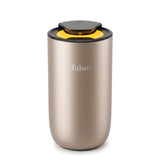
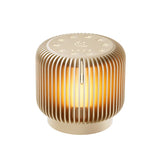
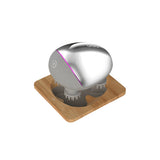
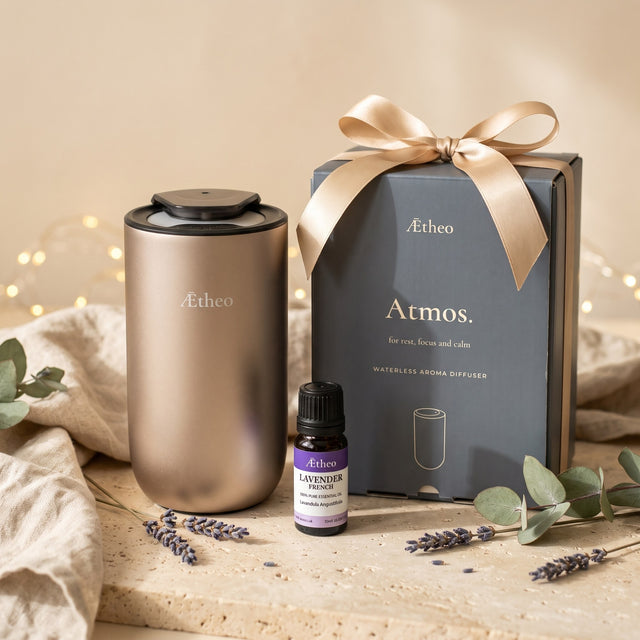
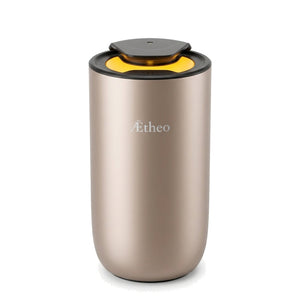
This is where Atmos works differently from most diffusers on the market. There is no tank. Instead, you take the 5, 10 or 15 ml bottle your essential oil already came in, remove the dropper insert, and screw the bottle straight onto the atomiser head. An internal air pump breaks the pure oil into a fine, dry mist, with no water, no heat and no residue left behind. Changing scent means changing bottles, not emptying and rinsing anything, and because each oil stays in its own bottle, nothing gets diluted or mixed by accident.
It runs on a built-in 2000 mAh battery, cordless, for around 40 hours at its lightest of three scent levels, or about 20 hours at the strongest, and recharges fully over USB-C in roughly 3.5 hours. Home mode scents the room on a three-hour timer, and a separate Car mode runs while you drive, rests after a minute of no movement, and starts again when it feels vibration. The controls are silent, so adjusting the scent level or the light will not wake anyone next to you. It is also built so the oil stays put if it gets knocked onto its side, which is the detail that matters most once you have lived with a diffuser that is not. If you want to see the full spec, the <a href="https://aetheo.co.uk/products/aetheo-atmos-waterless-essential-oil-diffuser">Atmos product page</a> has it in detail.
Who is this actually for, and when do you reach for it?
It suits anyone who has got tired of refilling and cleaning a tank, or who has noticed the mist getting weaker as the water dilutes it. It suits light sleepers who want scent in the room without the hum of an ultrasonic plate or the glow of its indicator light. It suits renters with one small surface near a socket, who do not want a diffuser that has to live permanently plugged in. And it suits anyone buying their first diffuser and comparing types, who would rather start with the version that has fewer things to go wrong.
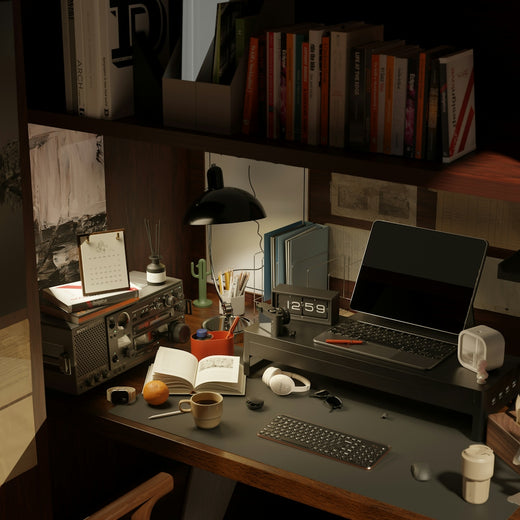
In practice that means a bedside table during an evening wind-down, a desk through a working afternoon, or the car on a commute, moved from room to room as the day changes rather than fixed to one plug.
What should you check before you buy one?
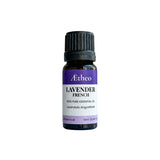
Whatever diffuser you choose, three things are worth checking before you hand over money. First, which oils it is designed for: Atmos wants pure essential oil thinner than 30 mPa·s, such as lavender, and asks you to avoid thick or resinous oils like sandalwood or myrrh absolute, which can block the atomiser. Second, how long it actually runs at the scent level you will use day to day, not just the headline figure. Third, what happens if it gets knocked, since a diffuser that lives on a bedside table or a car seat will get knocked eventually.
Build quality shows up in daily use, not in a photograph, and a cheaper diffuser can look nearly identical while falling down on exactly these points.
Frequently asked questions
What problem does a waterless diffuser like Atmos actually solve?
It removes the parts of diffusing that make people give up: refilling a tank, rinsing it out, and eventually descaling it. Atmos atomises pure essential oil straight from your own 5, 10 or 15 ml bottle, so there is no tank to maintain and no diluted mist.
Who is Atmos for?
People tired of refilling and cleaning a water tank, light sleepers who want scent without a hum or glow, renters with little surface space near a socket, and first-time diffuser buyers comparing types. If any of that sounds familiar, it is built to remove exactly that friction.
When and where should I use it?
A bedside table for an evening wind-down, a desk through the day, or the car on a commute. Because it is cordless and switches between Home and Car modes, it travels with the routine rather than tying you to one socket.
Will the oil spill if it tips over?
Atmos is built so the oil stays in the bottle if it tips onto its side, which is useful on a cluttered bedside table or in a car. For the mist to draw properly, keep it upright while it runs or charges, and stand it back up after a knock.
Which essential oils can I use in it?
Pure essential oils thinner than 30 mPa·s, such as lavender, work well. Avoid adding water, carrier oil, alcohol or perfume, and steer clear of thick or resinous oils such as sandalwood, vetiver or myrrh absolute, which can block the atomiser.
Is it worth it over a cheaper water-tank diffuser?
That depends on whether the tank is actually the thing stopping you from using a diffuser. If refilling, rinsing and a fading mist are the reasons yours ends up unplugged on a shelf, a diffuser that skips the water tends to be the one that stays in daily use. You can see the full detail on the <a href="https://aetheo.co.uk/products/aetheo-atmos-waterless-essential-oil-diffuser">Atmos product page</a>.


